The Beautiful Chaos of a Mother’s Heart
For anyone who prefers listening to reading, this AI-generated audio (created with Google NotebookLM) offers a gentle summary of the key ideas in my blog.
Jessie Buckley said something at the Oscars that stayed with me, “The beautiful chaos of a mother’s heart.”
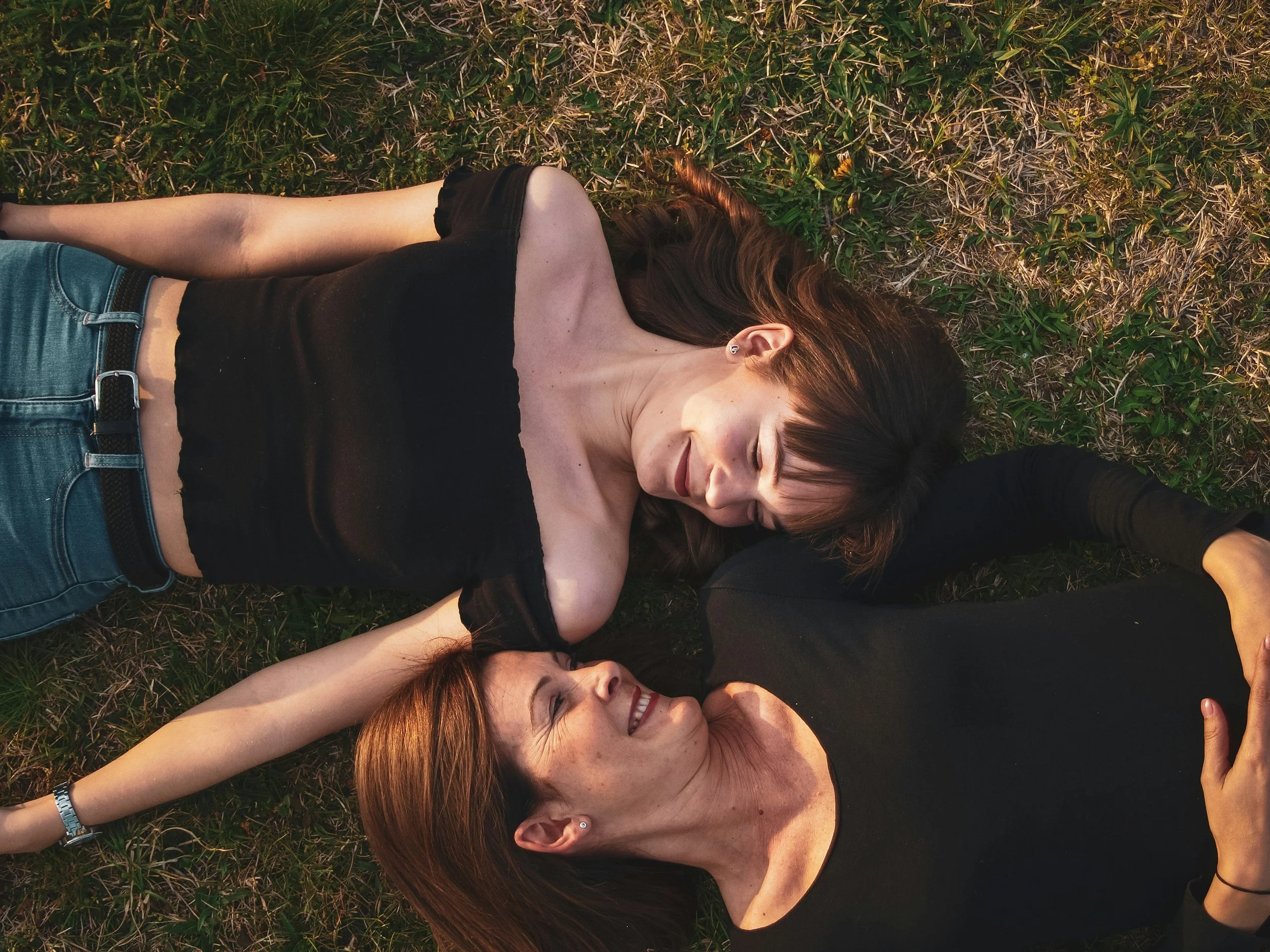
Motherhood is so often framed as a duty. A quiet pressure to get it right, to give endlessly, to hold everything together. But in truth, it is a living, breathing, ever-changing dance. A space where both mother and child are shaped in real time. Where we grow each other, stretch each other, and sometimes stumble together.
A relationship that moves in both directions, reminding us, again and again, that control is an illusion, and that perfect structure, no matter how carefully built, does not really exist inside the beauty of the mess.
Where Mistakes Land
And within that dance, there are mistakes. Not just a few, but many. Big ones, small ones, visible ones, invisible ones. Sometimes because we did not know better. Sometimes because we did not have the support, the awareness, or the example. And sometimes simply because we were human, doing the best we could in that moment.
On the receiving end of those moments is a child making meaning:
“Something is wrong with me.”
“I’m not a good person.”
“My needs don’t matter.”
“I’m not as important.”
“Why wasn’t I good enough?”
“My sibling is more worthy of love.”
These are not small conclusions. They land quietly, but they shape how a child sees themselves and the world. And when something essential is missing, it is experienced as a loss. A loss that deserves to be seen, witnessed, named, and grieved.
When Guilt Turns Into Defense
And here is where it often becomes more complex.
Because as mothers, when those moments are reflected back to us (whether in words or through our child’s behavior) we feel the weight of them. The worry. The guilt. The fear that we have caused harm. And instead of meeting that space with compassion, we often move into defense. We explain our intentions. We protect ourselves. We try to prove that we meant well.
But underneath that reaction is something deeper: A belief that if we made a mistake, it must mean something about who we are. That wrong choices equal being a bad mother. That imperfection equals failure.
And from that place, connection slowly closes.
Because when we are busy defending ourselves, we cannot fully see our child. We cannot fully hear them. And the dance becomes rigid. Strained. Disconnected.
What if We Chose Something Different?
What if, instead of protecting our image, we stayed open? What if we allowed ourselves to feel the discomfort of not getting it right, without collapsing into shame? What if we remained curious, listened deeply, and validated what was real for them?
It does not mean we will get the outcome we want. It does not mean we can control their path. But it does mean we create a space where connection can exist again. A space where both mother and child can keep moving and dancing together.
I see this so clearly in the work I do.
A client of mine, I'll call her Anna, is a mother of three adult daughters. Her eldest, Sofi, was never one to follow the expected path. From a very young age, she was strong-willed, expressive, and deeply herself. She did not fit the mold, and that created tension early on.
Anna, at the time, was carrying a lot. Providing for her family. Working long hours. Navigating her own history and the roles she had learned to survive. She did the best she could with what she knew.
But Sofi was also navigating experiences that were far too heavy for a child to carry. Layers of instability, fear, and confusion. Situations no child should have to face alone. And much of it went unseen.
Without the space to be understood or supported, Sofi struggled. Especially in places like school, where her resistance was often met with pressure, frustration, and attempts to control. Anna, without the tools or awareness she has today, responded in the only ways she knew how: trying to push, to correct, to make things work.
Fast forward more than 30 years. Sofi is still struggling. And Anna now sees so much more.
Two Paths Diverge Here
From here, the story can unfold in two very different ways.
In one path, Anna stays in guilt. She replays the past, judges herself and Sofi harshly, and tries to make up for it by overgiving. Doing everything for Sofi. Stepping in constantly. Trying to fix what feels broken. But underneath, there is still fear. Still frustration. And without realizing it, the message Sofi continues to receive over and over again is that she is not capable. That she cannot be trusted with her own life. The distance between them grows, even in moments where closeness is needed the most.
In the other path, Anna meets herself with compassion. She acknowledges the impact of what happened, without turning it into a story about her worth. She sees clearly what she did not know then and what she knows now. She owns her part. She apologizes, not from guilt, but from truth, taking responsibility for what Sofi experienced in her early years and recognizing how some of those patterns are still playing out today. She names her fears without letting them drive her actions. And she lets go of the illusion that she can control Sofi’s path today. She allows Sofi to live her life on her own terms, however that unfolds. Because at the end of the day, aren’t we all deserving of the freedom to live in a way that feels true to us?
This may not immediately change Sofi’s circumstances. But something important begins to shift.
The story softens. She begins to see that, “It was not about me. My mother did not know how. She was doing the best she could with what she had.”
And from that place, something new becomes possible.
Less friction.
More space.
A different kind of closeness.
Not perfect. Not fixed. But real.
And sometimes, having your mother by your side in a new way is everything.
When I come back to what truly matters in this dance, it is always the same:
Compassion.
Curiosity.
And love.
Not the kind of love that tries to control or protect an image.
But the kind that is willing to see. To listen. And to stay open.